Back-to-School Fundraiser Ideas: Spirit Wear Sales That Actually Work
 Posted By Custom Ink Staff —
We love sharing stories, tips, and inspiration to bring your custom apparel ideas to life. As a team committed to creativity and customer satisfaction, we strive to make your Custom Ink experience both enjoyable and memorable. Happy designing!
SHARE:


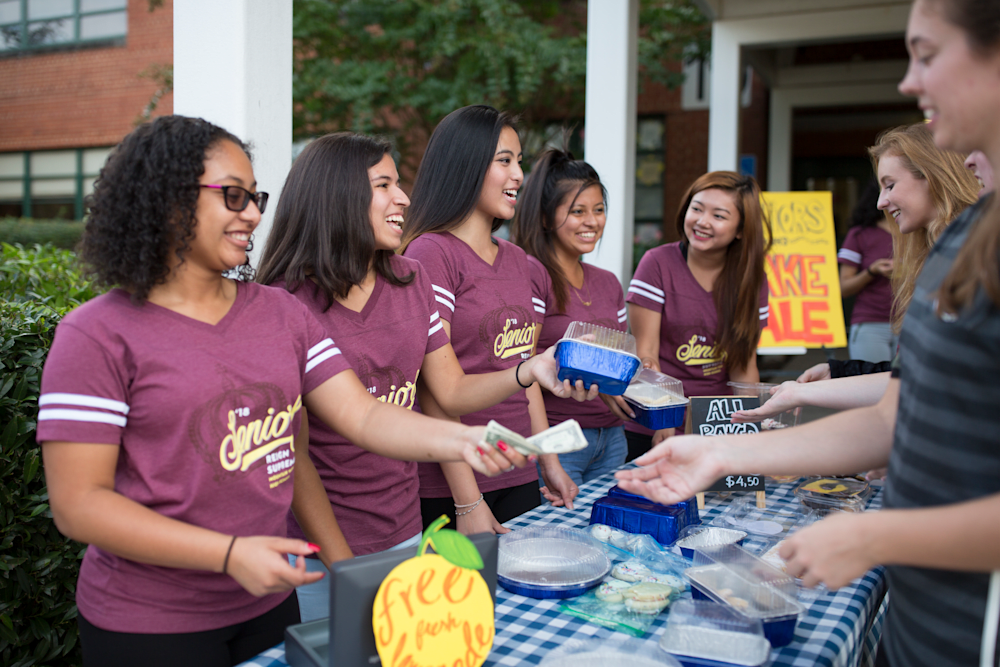
If you’re running your school’s PTO or PTA right now, you already know the pressure is higher than it used to be. Districts are leaning harder on parent groups to fill the gap, and the volunteer pool hasn’t grown to match — 84% of parent groups run on 20 or fewer regular volunteers, and 64% of leaders say volunteer shortages are their most serious challenge. Meanwhile, 97% of PTO and PTA leaders plan to maintain or increase their fundraising volume in 2025-26.
That’s a lot to carry. And it makes the question of which fundraiser you choose more important than ever — because the ones worth doing raise more money with less labor, not more of both.
This guide ranks the five best fall fundraisers by margin, volunteer effort, and real-world results, starting with the one that most consistently outperforms the rest: spirit wear sales.
In This Article
- #1-5 at a Glance: Fundraiser Comparison Table
- #1: Spirit Wear Sale (Best Overall)
- #2: Direct Donation Campaign
- #3: Read-a-Thon or Math-a-Thon
- #4: Experiential Micro-Events
- #5: Local Business Sponsorships
- How to Combine Them for Maximum Revenue
- Frequently Asked Questions
Start Your Spirit Wear Fundraiser
Key Takeaways
- Spirit wear is K-12’s top fundraiser by both participation and margin: Our 2026 School Spirit Gap Survey found that 87% of school organizers have used spirit wear to raise money, 48% call it their primary fundraiser, and 73% say it outperforms traditional options like candy sales and coupon books. Traditional catalog sales return only 40-50% to the school. A spirit wear Online Store keeps 100% of the markup.
- The volunteer math matters as much as the margin: A fundraiser that returns 50% but requires 40 hours of volunteer sorting is often a worse deal than a fundraiser that returns 90% and needs two hours of link-sharing. The rankings below account for both variables.
- The best fall fundraising programs combine two complementary approaches: A spirit wear sale paired with a direct donation campaign covers the full spectrum of donor motivation — families who want a product and families who just want to give. Together, they consistently outperform either approach alone.
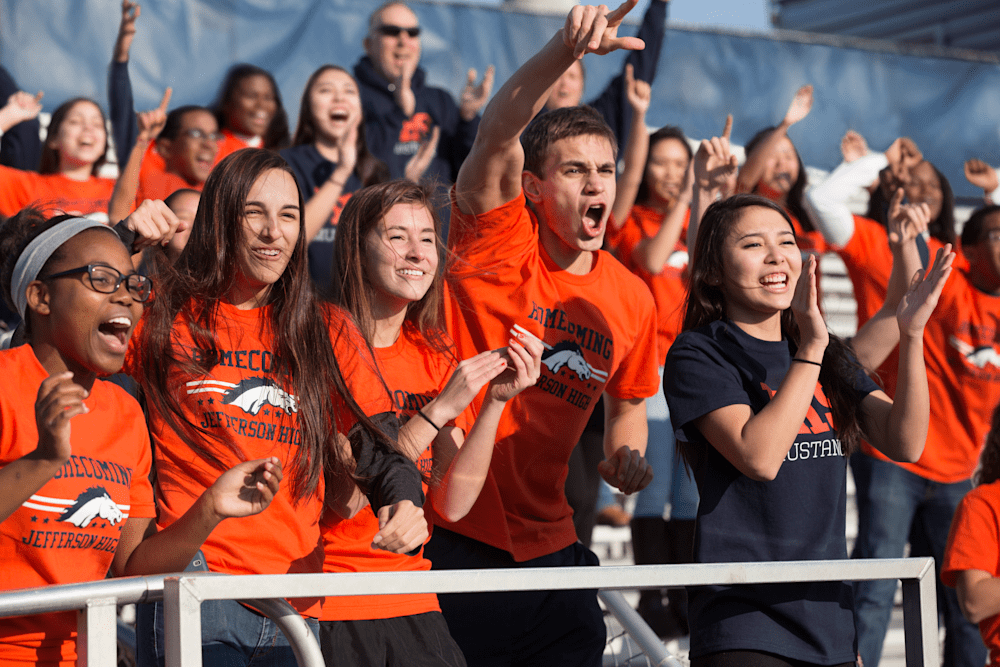
Top 5 Fall School Fundraisers: Profit, Effort, and Best Use by Type
| Fundraiser | School Keep % | Volunteer Labor | Best For | Main Limitation |
|---|---|---|---|---|
| #1 Spirit Wear Sale | 100% of markup (you set it) | Low — design + link sharing | Community engagement + strong margin + tangible product | Requires 3-week lead time for production and shipping |
| #2 Direct Donation | ~97-100% | Very Low — digital setup only | Maximum margin; parents who want to give without buying | Less engagement without a tangible product to motivate participation |
| #3 Read-a-Thon | 80-90% | Low — digital pledge tracking | Elementary schools; academic alignment; inclusive participation | Requires marketing momentum; weaker for middle/high school |
| #4 Micro-Events | 80-95% | Low-Medium — one event day | High community fun; low overhead; works alongside other campaigns | One-time revenue; limited scale at small schools |
| #5 Sponsorships | 100% | Medium — outreach + pitching | Booster clubs; recurring high-value revenue; brand-forward programs | Requires business relationships and polished pitch materials |
#1: Spirit Wear Sale (Best Overall)
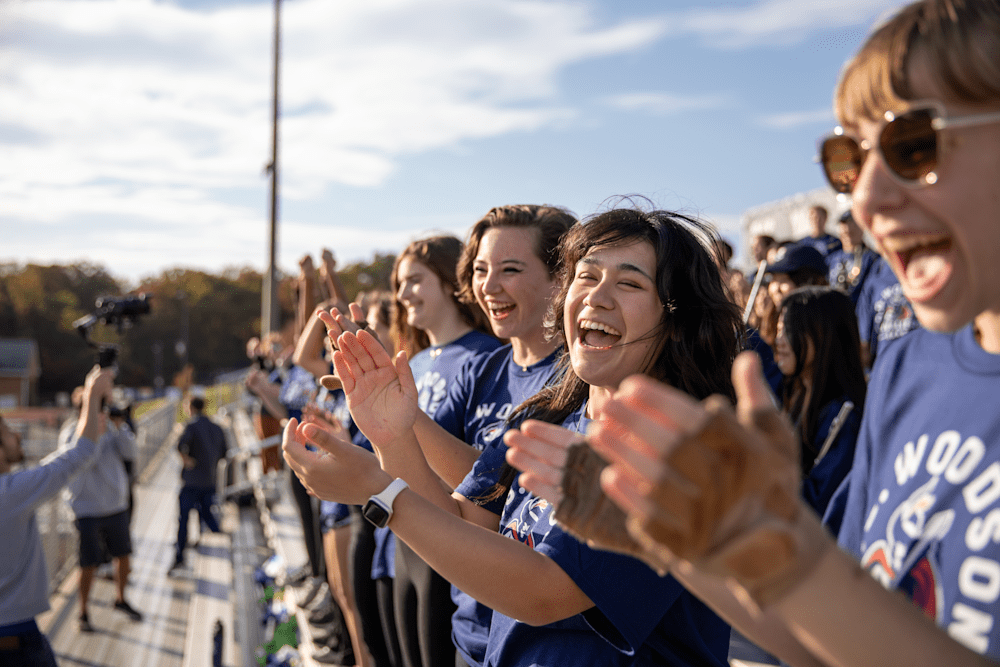
Spirit wear outperforms other school fundraisers for a simple reason: families actually want the product. A parent who buys a school spirit shirt is buying something they plan to wear — to games, school events, and weekend errands. That’s fundamentally different from the obligation purchase behind a catalog sale. When a buyer’s motivation is genuine, participation rates are higher, and reorders happen naturally the following year.
Our 2026 School Spirit Gap Survey found that 73% of organizers who’ve run spirit wear fundraisers say they outperformed traditional methods in both revenue and participation. Among schools that fundraise with spirit wear, organizers are three times more likely to run a recurring annual program — and recurring programs consistently outperform one-time campaigns.
How the Online Store Model Works

The easiest way to run a spirit wear fundraiser is through an Online Store. That way, there’s no upfront inventory purchase, no boxes in someone’s garage, and no collecting checks from 200 families. You upload the design, set your price (cost plus fundraising markup), and share a link or QR code. Families order and pay directly. When the sale window closes, everything goes into one production run and ships within two weeks. The difference between your cost and the sale price is the fundraising revenue, tracked automatically.
What to Sell and How to Price It
For fall fundraising windows, anchor the fundraising store on a hoodie or long-sleeve shirt rather than a short-sleeve t-shirt. Families buy what they can wear immediately — and in September and October, that usually means layers. A two-item store (t-shirt + hoodie) captures the full range of buyer willingness, lets families choose their level of investment, and typically generates 30-50% more revenue per family than a single-item store.
| Item | Approx. Cost | Suggested Retail | Markup | Revenue at 100 Orders |
|---|---|---|---|---|
| Basic t-shirt | ~$8-12 | $18-22 | $8-12 | $800-1,200 |
| Long-sleeve shirt | ~$12-16 | $24-28 | $10-14 | $1,000-1,400 |
| Pullover hoodie | ~$18-25 | $32-40 | $12-18 | $1,200-1,800 |
| Crewneck sweatshirt | ~$16-22 | $28-36 | $10-16 | $1,000-1,600 |
How to Run the Campaign
- Open 4-5 weeks before school starts. This gives the sale window time to run before Back-to-School Night, which is your highest-conversion promotion moment.
- Set a 2-3 week close date. A deadline creates urgency. A permanently open store collects fewer orders than one with a specific close date because families keep deferring.
- QR code at Back-to-School Night. Parents at that event are your most engaged buyers. A QR code at the PTO table lets them order from their phone on the spot. This single tactic consistently drives 20-30% of total campaign orders.
- Share a progress update at the midpoint. “We’re 60% of the way to our $2,000 goal” activates the crowd psychology that makes fundraising accelerate. People don’t want to be the last ones who didn’t participate.
- Send a 48-hour close reminder. A simple “last chance to order before [date]” email is typically responsible for 15-20% of total orders on its own.
Customer Story: Fairfax County Special Ed PTA

“The newly formed Fairfax County Special Ed PTA has worn our new shirts A LOT since we ran our first shirt campaign! Here is a collage of some of our members at recent advocacy and fundraising events. We’re excited to start a second shirt campaign so more of our members can get shirts to wear at all of our events! So grateful to Custom Ink for this unique fundraising opportunity.”
Featured Products from This Story
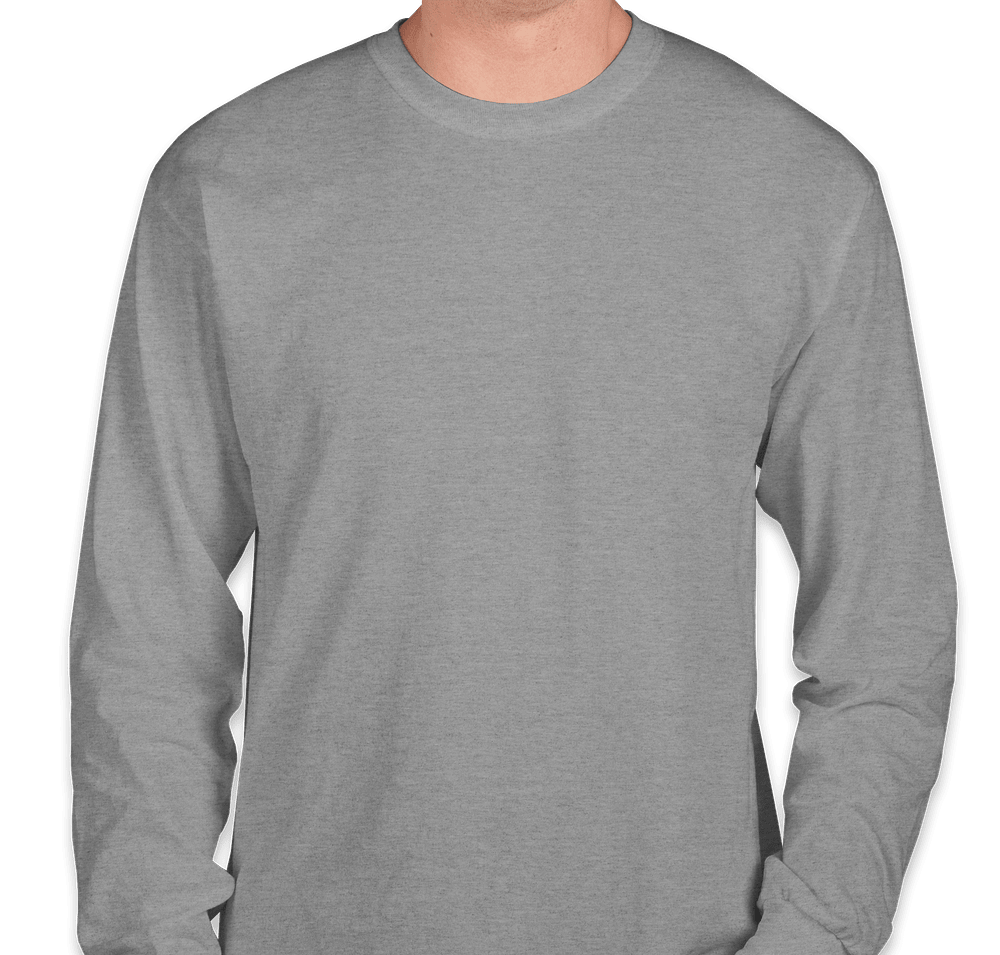
Gildan DryBlend Long Sleeve — Fall Fundraiser Anchor
- 50/50 DryBlend holds color and shape through repeated washing — families wear it past the fundraiser season
- Long-sleeve cut is immediately practical in fall — higher perceived value than a short-sleeve tee at the same price point
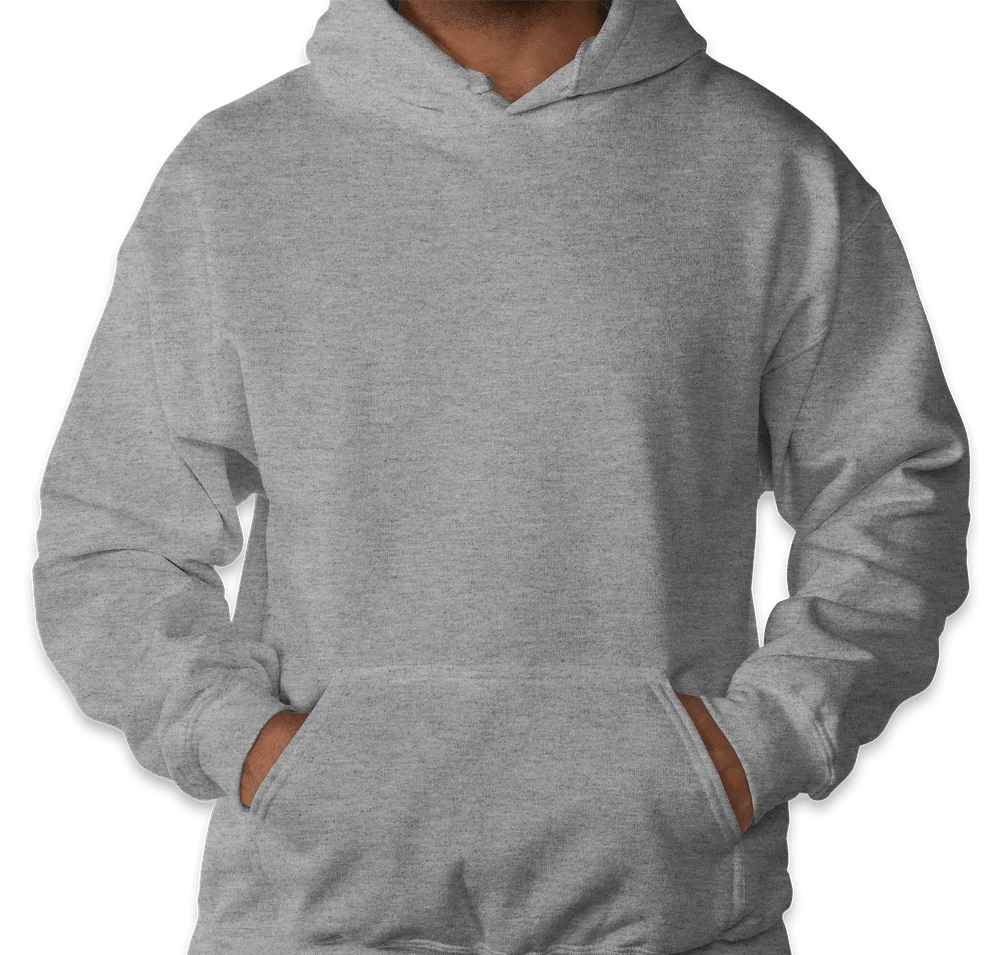
Gildan DryBlend Pullover Hoodie — Premium Fundraiser Tier
- Higher price point in the same store lets families choose their investment level — hoodie orders carry significantly more margin per unit than shirts
- 50/50 fleece resists shrinking and pilling; families treat this as a lasting school keepsake, not a fundraiser item
Customer Story: LALA Leadership Class

“Our leadership class fundraised by selling school t-shirts and hoodies created by Custom Ink. Because our fundraiser was so successful each student bought a shirt and celebrated with a leadership breakfast. Now we will do it again because more students and staff want more.”
#2: Direct Donation Campaign

A direct donation campaign — sometimes called a “write a check” campaign — asks parents to make a flat contribution with no product attached. No catalog, no items to sort, no pick-up day. Schools retain approximately 97-100% of the revenue, minus minor digital processing fees. It’s the highest-margin model available to any school program.
The structural weakness is engagement. Families who respond to a spirit wear sale because they want a shirt won’t always respond to a direct donation appeal. That’s not a flaw in the model — it’s a reason to run both. The direct donation campaign reaches families who want to give but don’t want more stuff. The spirit wear sale reaches families who want something tangible in return. Together, they cover the full spectrum.
How to Make a Direct Donation Campaign Successful
- Specific impact language: “We’re raising $3,000 to fund the spring field trip for every 4th grader” dramatically outperforms “support your school.” Modern donors — especially parents — want to see exactly what their contribution accomplishes.
- Suggested amounts with a baseline: Framing the ask as “$40, $50, or $100 — whatever works for your family” removes the awkwardness of an open-ended request and anchors giving behavior upward.
- Non-uniform day incentives: Tiered, low-cost experiential rewards (homework passes, lunch with the principal, hat day for the class that raises the most) keep students engaged and drive peer-to-peer promotion without spending fundraising revenue.
- Corporate matching gift check: An estimated 65% of Fortune 500 companies offer employee matching gift programs. A parent who donates $50 at a company that matches 1:1 effectively doubles that donation to $100 with no additional cost. Prompting donors to check their eligibility at checkout is one of the highest-ROI additions any school can make to a digital donation campaign.
#3: Read-a-Thon or Math-a-Thon

For decades, the school book fair was the default academic fundraiser. It’s increasingly being replaced by read-a-thons — and the data explains why. Schools using specialized read-a-thon platforms retain 80-90% of gross revenue, compared to the 30-50% that corporate book fair operators return. The core activity — reading — requires no family spending, so participation is equitable across income levels. And digital platforms handle pledge tracking, donor communications, and payment collection with minimal volunteer involvement.
The model is straightforward: students collect flat or per-minute pledges from family members and family friends for completing reading (or math) milestones over two to three weeks. The extended family network does the fundraising work, not the school’s volunteer base. For elementary schools in particular, a well-run read-a-thon is often the highest-margin event of the year — and it doubles as a curriculum-aligned activity that principals actively support.
When It Works Best
- Best for: Elementary schools, schools with strong parental engagement, programs that want academic alignment
- Less effective for: Middle and high school, where reading-based incentives have less pull
- Pairs well with: Spirit wear sale — students who earn read-a-thon milestones can unlock spirit wear discounts or early-access ordering as a reward
Customer Story: Reading Rebels K.O. Fighting Book Club

“Reading Rebels k.o. fighting book club recently held their first fundraiser, which was a car wash at a local minimart and gas station in Las Vegas, to help pay for the cost of future club gear, club building activities, and educational field trips. The girls got together for a picture and decided on this formation. It illustrates how each of these young ladies strive to rise to greatness.”
#4: Experiential Micro-Events

The traditional school carnival requires a dozen volunteers, rented equipment, a rain-date contingency plan, and six weeks of planning. Micro-events are the opposite: low overhead, one-day execution, high community enjoyment, and margins that rival direct donation campaigns. Current PTO research identifies these as the fastest-growing format in K-12 fundraising precisely because they respect the realities of a small volunteer base.
High-Performing Micro-Event Ideas
| Event | How It Works | Approx. Margin | Volunteer Effort |
|---|---|---|---|
| Stuffed Animal Sleepover | Students pay $10 for their stuffed animal to “spend the night” at school; volunteers text photos of the toys in various classrooms to families the next morning | 95%+ | Very Low (one evening of photography) |
| Duct Tape the Principal | Students buy $1 strips of tape to stick the principal to a gym wall; runs during school hours | 90%+ | Very Low (tape procurement, minimal setup) |
| Drop-Off Line Iced Coffee | PTO sets up a simple iced coffee station at morning drop-off; captive audience of caffeinated parents | 60-70% | Medium (morning staffing, supplies) |
| Pie a Teacher / Tattoo the Teacher | Students pay scaled amounts (e.g., $5 for whipped cream pie, $2 per temporary tattoo on staff); runs at a school assembly or pep rally | 85%+ | Low (supplies + one event hour) |
| Hat Day / Pajama Day | Students pay $3-5 for a school-day privilege (wearing hats, pajamas, etc.); no inventory required | 95%+ | Very Low (announcement only) |
Micro-events work best as complementary fundraisers alongside a spirit wear sale or direct donation campaign — not as standalone replacements. They generate community excitement, create natural promotion moments for the Online Store (“wear your new spirit shirt on Hat Day!”), and produce meaningful revenue without the logistics burden of a full-scale event.
#5: Local Business Sponsorships

Booster clubs and PTOs that treat local businesses as sponsorship partners rather than one-time donors consistently unlock higher-value, recurring revenue than individual parent campaigns alone. Local businesses have a genuine marketing problem that school partnerships solve: the decline of local newspapers and direct mail has eliminated their most effective channels for hyper-local advertising. A school athletic complex, a digital newsletter reaching 400 families, and a spirit wear shirt worn by 300 students throughout the community are all genuine advertising real estate.
Sample Sponsorship Tier Structure
| Tier | Contribution | Benefits |
|---|---|---|
| Donor | $250 | Name in school newsletter; verbal recognition at one event |
| Supporter | $500 | Logo on spirit wear; banner at one home game; newsletter listing |
| Patron | $1,000 | Logo on all spirit wear; banner at all home games; featured in school app |
| Benefactor | $1,500 | All above; dedicated social post; name on event program |
| Champion | $3,000+ | All above; naming rights opportunity; logo on athletic facility signage |
The logo-on-spirit-wear benefit is a natural integration with a spirit wear fundraiser: at the $500 Supporter tier and above, the sponsor’s logo appears on the school’s gear, which families wear throughout the year. This gives sponsors genuine ongoing visibility, justifies the contribution as a marketing expense rather than a donation, and can offset some or all of the spirit wear production cost — effectively increasing the fundraising margin on every shirt sold.
Customer Story: Oaklea Middle School ArtSquad
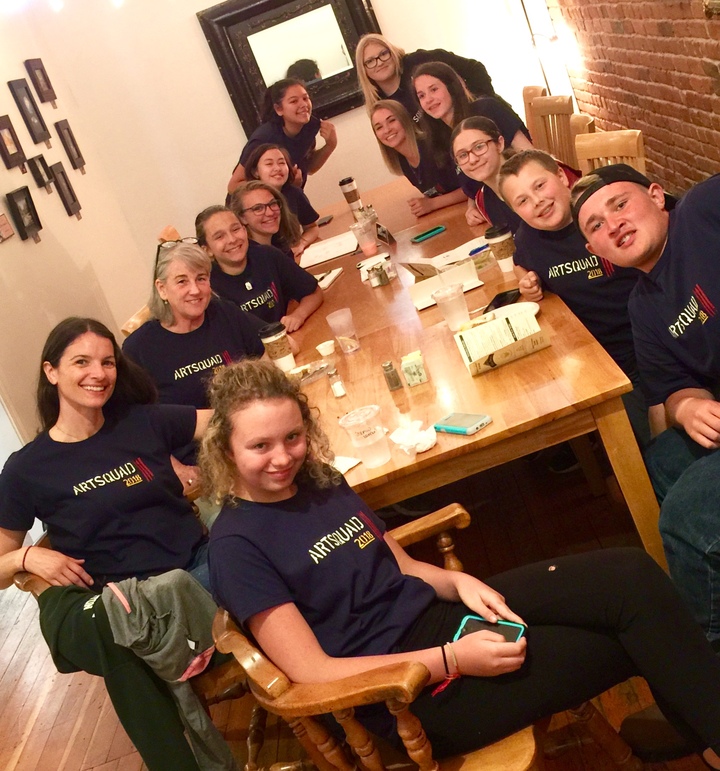
“ArtSquad is a self-selected group of 8th graders at Oaklea Middle School in Junction City Oregon that formed as a creative leadership club. All members have promoted their talents, skills, and efforts to support the growth of the school’s creative environment. This includes selling art to sustain the club 100% with no outside funds + supporting other grades’ creative efforts.”
Featured Products from This Story
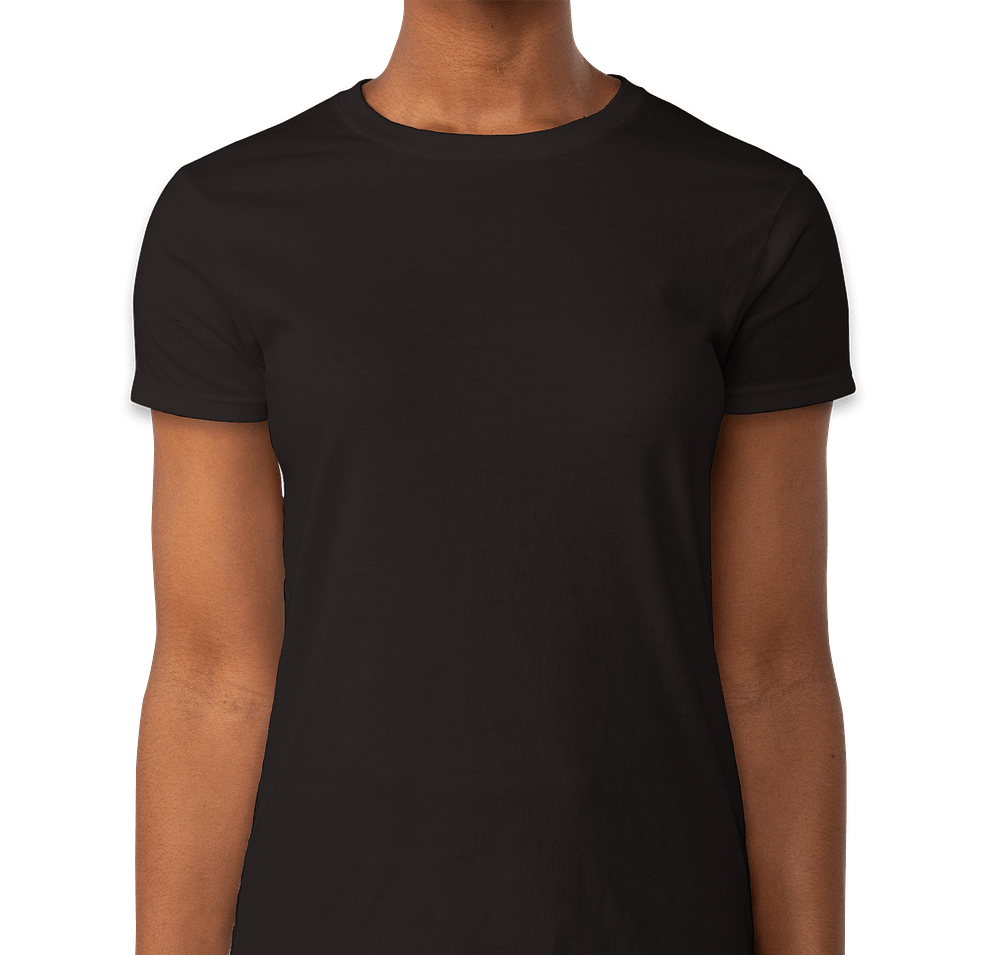
Gildan Ultra Cotton Women’s T-Shirt — Club Fundraiser Option
- Fitted cut increases the chance female students and parents actually wear the fundraiser shirt beyond the school building
- Pairs with a unisex version in the same store so the whole community can order — offering both cuts reliably increases total order volume
How to Combine Fundraisers for Maximum Revenue
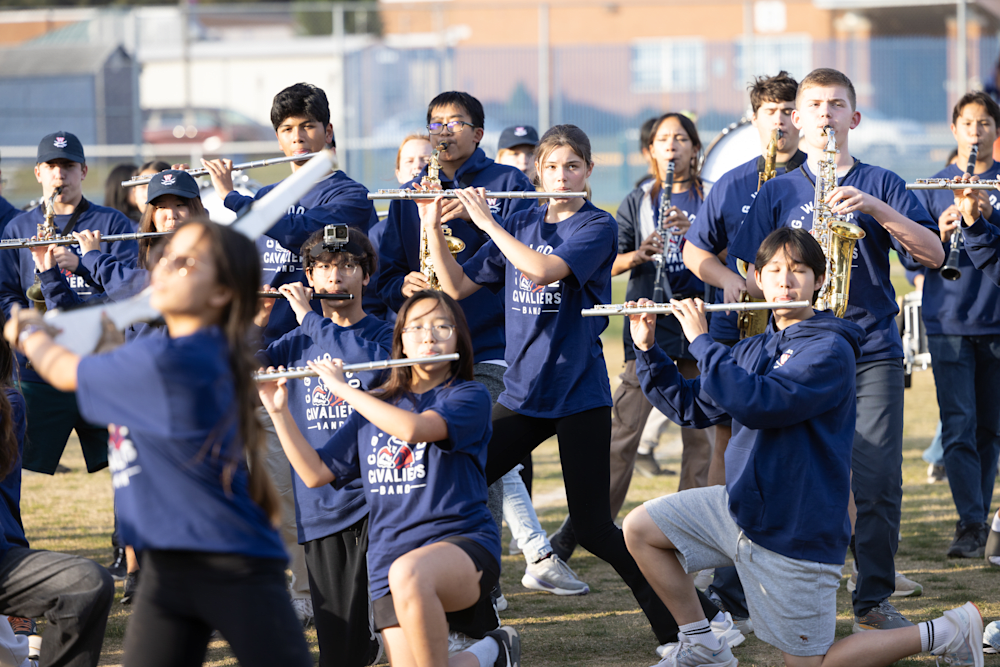
The best fall fundraising programs don’t pick one approach and ignore the others. They run a primary campaign with the strongest margin and use secondary approaches to capture revenue from donor segments the primary campaign misses. Here are the three combinations that consistently outperform single-fundraiser programs.
The Standard Pairing: Spirit Wear + Direct Donation
Open an Online Store for spirit wear and run a direct donation campaign simultaneously, targeting the same families with a single clear message: “Support the school this fall — buy a custom school shirt, make a donation, or do both.” Families who want a product buy the shirt. Families who prefer to give without accumulating more stuff make the donation. This combination covers the full spectrum of donor motivation and consistently produces 40-60% more total revenue than either campaign alone.
The Elementary School Stack: Spirit Wear + Read-a-Thon
Run the read-a-thon first (2-3 weeks) and use spirit wear as a milestone reward — students who hit their reading goal get early access to the Online Store, a discount code, or a free spirit wear item as a prize. This sequences the two campaigns so they amplify each other: the read-a-thon drives family engagement with the school, and the spirit wear sale captures that engagement as a purchase at peak community enthusiasm.
The Booster Club Model: Spirit Wear + Sponsorships
Approach local businesses for sponsorship before the spirit wear sale opens. Secure sponsors at the $500+ tier who want their logo on the gear. Their contributions offset production costs — meaning every shirt sold is effectively pure fundraising revenue. A booster club that raises $1,500 in sponsorship before the sale opens, then runs a 200-order spirit wear sale with a $12 average markup, generates $2,400 in shirt revenue plus $1,500 in sponsorship funds. Total: $3,900 from what appears to families as a single shirt sale.
Start Your Spirit Wear Fundraiser
Frequently Asked Questions
Q: What is the best school fundraiser idea for fall?
Spirit wear sales consistently rank as the most effective fall school fundraiser when you account for both margin and volunteer effort. According to our 2026 School Spirit Gap Survey, 73% of organizers say spirit wear outperforms traditional methods in both revenue and participation. The Online Store model eliminates inventory risk and volunteer logistics entirely, making it the most realistic option for the small groups that run most school fundraising programs.
Q: How much money can a spirit wear fundraiser raise?
A planning benchmark: $8-15 per item sold in markup. A 400-student elementary school with 40% family participation (160 orders) at a $12 average markup raises around $1,900 from a single campaign. Schools with recurring annual programs, effective promotion, and multi-item stores regularly exceed $3,000-5,000 per campaign. Pairing the spirit wear sale with a direct donation campaign or sponsorships can add significantly more on top.
Q: How does a school spirit wear Online Store fundraiser work?
Our Online Stores are free to set up. You design the gear in our Design Lab, set your retail price (cost plus your fundraising markup), and share the link with families. Each family orders and pays directly at checkout. When the sale window closes, all orders go into one production run and ship within about two weeks. The fundraising revenue — everything above your cost — is yours in full, tracked automatically in the store dashboard.
Q: Why is spirit wear better than candy sales or catalog fundraisers?
Three reasons: margin, logistics, and genuine demand. Traditional product sales return 40-50% to the school after the vendor takes their cut. A spirit wear sale through an Online Store keeps your full markup — no vendor sharing the margin. Logistics-wise, catalog sales require volunteers to manage orders, take deliveries, sort inventory, and run pick-up days; the Online Store handles all of that automatically. And families buy spirit wear because they actually want it — not out of obligation. That difference in buyer motivation is why participation rates are consistently higher and reorders happen naturally the following year.
Q: Do we need a minimum order to run a school spirit wear fundraiser?
Many products have no minimum order requirement, so a small club or a new program can run a spirit wear fundraiser even if only 10-15 families order. Per-unit cost decreases at higher quantities, so programs with broader participation will see better margins. Our Design Lab shows you the per-unit price at any quantity before you commit.
Q: What other fall school fundraiser ideas work well alongside spirit wear?
The most effective pairing is a direct donation campaign running simultaneously with the spirit wear sale — it captures donor segments the shirt sale misses. For elementary schools, combining a read-a-thon with a spirit wear sale (using the gear as a milestone reward) consistently drives higher participation in both. For booster clubs, securing local business sponsorships before the sale opens effectively converts sponsor contributions into additional margin on every shirt sold. All three combinations are covered in the “How to Combine Them” section above.

We love sharing stories, tips, and inspiration to bring your custom apparel ideas to life. As a team committed to creativity and customer satisfaction, we strive to make your Custom Ink experience both enjoyable and memorable. Happy designing!