Types of Fabric for Custom Apparel: Cotton, Polyester, Blends & Performance Materials
 Posted By Custom Ink Staff —
The Custom Ink Staff is a team of design enthusiasts and promo product experts dedicated to bringing your ideas to life. From screen printing secrets to the latest trends in custom gear, we draw on decades of collective experience to help you create something unforgettable.
SHARE:


Sixty-two percent of buyers say they plan to order heavyweight fabrics for their next custom apparel run, according to our 2026 Swag Trends Survey, and that shift in preference is entirely driven by fabric choice. The fabric you pick determines how your design prints, how the garment holds up after 50 washes, and whether recipients will wear it on a Saturday or stuff it in a closet.
We’ve helped millions of groups navigate this decision, and the questions are always the same: Should I go cotton or polyester? What’s the difference between a blend and a tri-blend? Which fabric actually works best for screen printing versus embroidery?
This guide covers all of it: across custom t-shirts, hoodies, polos, bags, and more. That way you can place your next order with confidence.
In This Article
- Types of Fabric: Cotton, Polyester & Blends Explained
- Performance Fabrics: Moisture-Wicking, Stretch & Compression
- Best Fabric for Screen Printing
- Best Fabric for Embroidery
- Best Fabric for DTG Printing
- Fabric Guide by Product Type
- How to Choose the Right Fabric for Your Custom Order
- Frequently Asked Questions
Key Takeaways
- 62% of buyers are shifting to heavier fabrics in 2026 , according to our 2026 Swag Trends Survey. Heavyweight tees and fleece are now the #1 apparel trend, outpacing garment-dye and boxy cuts.
- Fabric weight is the single most important screen printing variable , cotton shirts in the 5.0–6.0 oz range hold ink best; anything under 4.5 oz requires adjusted ink deposits and often produces softer, less vivid results.
- No single fabric wins every category , 100% cotton is the gold standard for print quality, polyester leads in athletic durability, and blends solve for softness when you need both. Matching fabric to decoration method and use case is what separates good orders from great ones.
Types of Fabric: Cotton, Polyester & Blends Explained
Every fabric decision starts here. Understanding the base materials , cotton, polyester, and blended constructions , gives you the framework to evaluate every product in our catalog.
100% Cotton
Cotton is the most common fabric for custom apparel and with good reason. It’s breathable, takes dye evenly, and provides an excellent printing surface. The weight of a cotton shirt tells you a lot about its feel and durability.
| Weight | Feel & Use Case | Example |
|---|---|---|
| 4.2–4.5 oz | Lightweight, retail-soft; best for fashion-forward orders and DTG printing | Ring-spun tees, women’s styles |
| 5.0–5.3 oz | Mid-weight workhorse; excellent for screen printing, everyday groups | Gildan 5000 Heavy Cotton (5.3 oz, 100% US cotton) |
| 5.5–6.0 oz | Heavyweight; structured feel, holds shape longer, premium hand | Comfort Colors 1717 (6.1 oz, garment-dyed ring-spun cotton) |
Cotton’s main trade-off: it shrinks if washed warm, and it absorbs moisture rather than moving it away from the body. For outdoor events in summer heat, a pure cotton shirt can feel heavy after an hour of activity.
100% Polyester
Polyester is engineered for performance. It’s lighter than cotton at equivalent thicknesses, resists shrinking, and wicks moisture , meaning sweat moves through the fabric and evaporates rather than soaking in. The trade-off is print complexity: polyester requires special inks and techniques to prevent dye migration, which is why most performance shirts use low-bleed plastisol inks or PosiCharge technology.
- Best for: Athletic teams, run/walk events, summer events, outdoor uniforms
- Key spec to know: Sport-Tek Competitor ST350 is 3.8 oz, 100% polyester interlock with PosiCharge technology, which locks in color during both dyeing and decoration, preventing logo fade through repeated washing
- Watch for: Dye migration on dark polyester if using standard screen printing inks; always specify low-bleed or poly-blocking inks
- Size range available: Youth XS through Adult 4XL on most Sport-Tek performance styles
Cotton/Polyester Blends
Blends are the practical middle ground. A 50/50 cotton/poly shirt combines the print-friendliness of cotton with the durability and shape retention of polyester. The most common blend ratios and what they mean in practice:
| Blend Ratio | Feel & Characteristics | Best Decoration Method |
|---|---|---|
| 90/10 cotton/poly | Nearly all-cotton feel; slightly more durable than pure cotton | Screen printing, DTG, DTF |
| 50/50 cotton/poly | Balanced softness and durability; resists shrinking more than 100% cotton | Screen printing (use low-bleed inks on darks) |
| Tri-blend (50/25/25 poly/cotton/rayon) | Extremely soft, lightweight, slight stretch; vintage drape | DTG, DTF, screen printing with adjusted deposit |
Tri-blends deserve their own moment. The Bella+Canvas 3413 tri-blend , 50% polyester, 25% combed ring-spun cotton, 25% rayon at 3.4 oz , is one of the softest blanks in the industry. The rayon component adds a fluid drape that pure cotton and poly blends can’t replicate. If your group prioritizes how the shirt feels to wear over raw print vibrancy, tri-blend is worth the modest price premium.
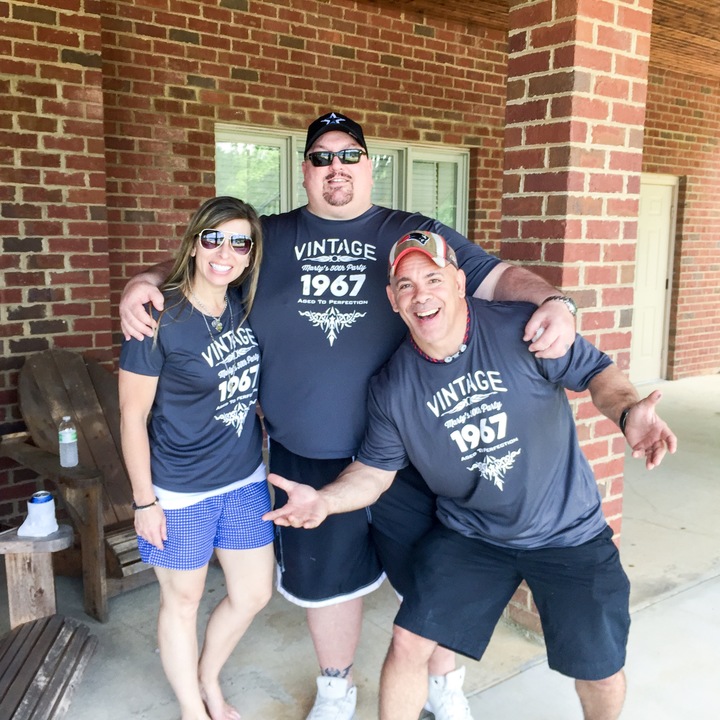
“These t-shirts were a HUGE hit with everyone! The high-quality, lightweight material was perfect for a hot day at the lake. We were comfortable all day and will wear these shirts again and again.”
Featured Products from This Story
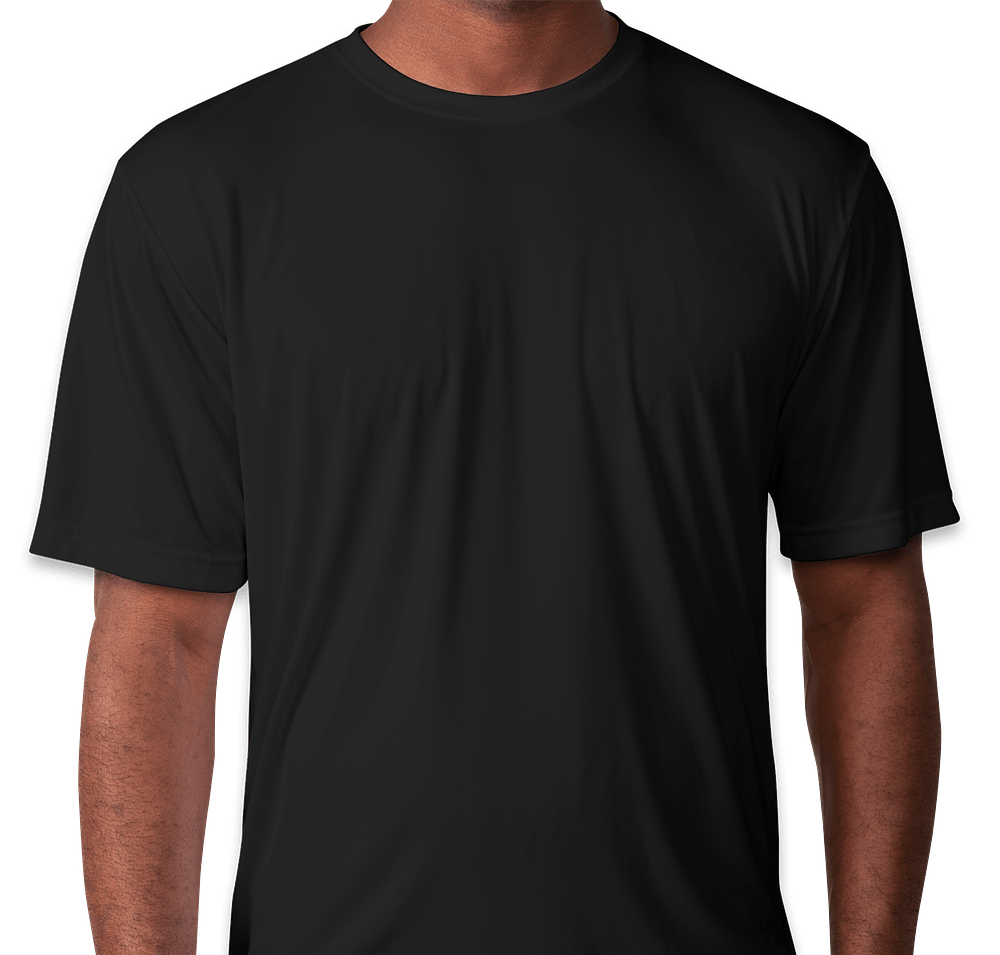
Sport-Tek Competitor Performance Shirt
- 3.8 oz, 100% polyester interlock with PosiCharge technology
- Moisture-wicking, snag-resistant; sizes Youth XS–Adult 4XL
- Removable tag for relabeling; roomy athletic cut
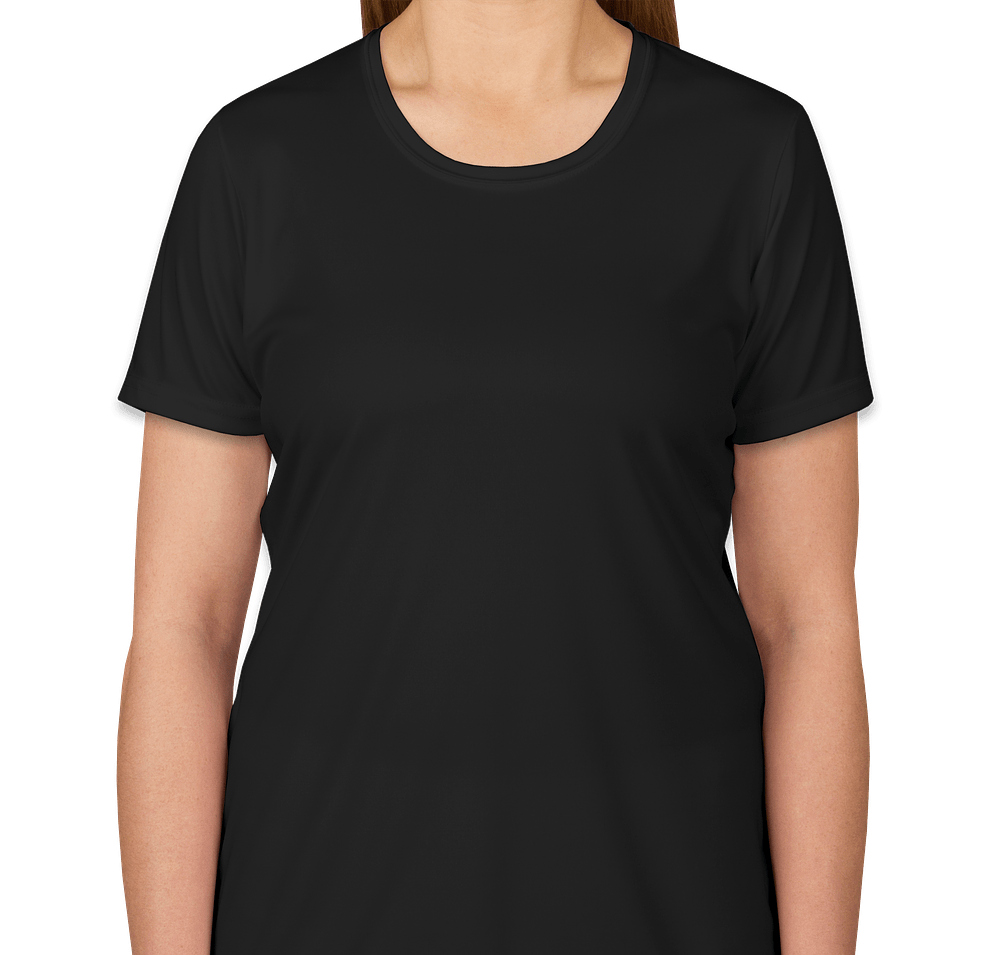
Sport-Tek Women’s Competitor Performance Shirt
- 3.8 oz, 100% polyester with PosiCharge color-lock technology
- Women’s cut with moisture-wicking performance fabric
- Snag-resistant construction; sizes XS–4XL
Performance Fabrics: Moisture-Wicking, Stretch & Compression
Performance fabrics are engineered at the fiber level to do something cotton alone can’t: move moisture, provide stretch recovery, and maintain structure under physical stress. The main performance fabric technologies break down like this and where each one belongs in a custom apparel order.
| Performance Feature | How It Works | Best Use Cases | What to Look For |
|---|---|---|---|
| Moisture-wicking | Polyester microfibers pull sweat to fabric surface where it evaporates | 5K/10K events, summer uniforms, sports teams | 100% polyester or 50+ % poly; PosiCharge, Cool Dri, or Dri-FIT labeling |
| 4-way stretch | Spandex/elastane blended into fabric; expands in all directions | Yoga, athletic uniforms, leggings, fitted jerseys | Minimum 5–8% spandex content for true stretch-and-recover performance |
| Compression | High-tension knit construction applies graduated pressure | Endurance sports, medical/recovery wear | Separate category from standard performance tees; look for graduated compression specs |
| UPF protection | Dense polyester weave blocks UV radiation | Outdoor events, summer camp staff, lifeguard uniforms | UPF 50+ rating (blocks 98% of UV rays); Sport-Tek ST420 Posi-UV Pro is the benchmark |
| Anti-microbial | Silver-ion or chemical treatment inhibits odor-causing bacteria | Multi-day events, hot-weather uniforms, fitness studios | Look for treated polyester; not the same as standard moisture-wicking |
A note on “performance feel” vs. actual performance: several cotton-touch polyester constructions , like the Sport-Tek ST450 Competitor Cotton Touch Tee , give you the soft hand of ring-spun cotton with the moisture-management properties of polyester. These are excellent for groups that want an athletic shirt with a more premium feel than a standard performance tee. Check the specific product’s fiber content before assuming performance properties.

“We love the bright color and the soft material. Our experience with CustomInk was amazing! Everyone we worked with was very helpful and friendly! We will definitely be ordering again.”
Browse our full selection of activewear and performance t-shirts to find the right moisture-management option for your group.
Best Fabric for Screen Printing
Screen printing pushes ink through a mesh stencil onto the fabric under pressure. The fabric’s weave structure and weight determine how cleanly that ink transfers, how sharply it edges, and how long it holds up through washing.
Top Picks for Screen Printing
| Fabric | Why It Works | Weight | Watch For |
|---|---|---|---|
| 100% cotton (ring-spun) | Smooth surface = sharp ink edges, strong color saturation; ink bonds tightly to natural fibers | 4.5–6.0 oz | Slight shrinkage if washed warm; always pre-shrunk blanks |
| 50/50 cotton/poly | Good print surface with less shrinkage than pure cotton; cost-effective for large runs | 5.0–5.5 oz | Use low-bleed inks on dark poly-blend shirts to prevent dye migration |
| 100% polyester (PosiCharge) | Color-locking technology prevents logo fade; works reliably for team uniforms | 3.5–4.0 oz | Requires poly-blocking underbase on dark colors; not all inks are suitable |
| Tri-blend | Achieves a soft vintage print look; lighter ink deposits produce a worn-in aesthetic some groups prefer | 3.4–4.0 oz | Lighter weights need adjusted ink deposits; fine-line details may soften |
The Gildan 5000 Heavy Cotton , 5.3 oz, 100% US cotton , is the most widely used blank for screen printing in the industry, and for good reason. Its tightly knit structure holds ink deposits cleanly, produces sharp registration on multi-color designs, and is available in over 70 colors from XS through 5XL. The Gildan Ultra Cotton (style 2000) steps up to 6 oz for groups who want a heavier, more premium-feeling shirt with identical print performance.
If you’re ordering custom t-shirts for a large group and print sharpness is the priority, mid-weight 100% cotton is the safe choice every time. Our design experts can recommend the right blank based on your design complexity and color count.
Best Fabric for Embroidery
Embroidery is fundamentally different from printing: a needle and thread physically puncture the fabric thousands of times. That means the fabric needs enough structural density to support the stitch tension without puckering, and enough surface stability to keep the design flat.
Fabric Performance for Embroidery
| Fabric Type | Embroidery Rating | Why | Best Products |
|---|---|---|---|
| Piqué knit (polo fabric) | Excellent | Textured weave provides natural “tooth” that holds thread; standard for logo embroidery | Polo shirts, corporate uniforms |
| Structured woven (twill, canvas) | Excellent | Tight weave resists distortion under needle pressure; minimal puckering | Caps, bags, jackets, work shirts |
| Fleece (mid-weight) | Good | Backing stabilizes design; best for chest-left logos on hoodies and sweatshirts | Hoodies, crewneck sweatshirts |
| Mid-weight cotton jersey | Good | Works well with backing stabilizer; 5.0+ oz cotton handles needle tension without distorting | T-shirts (small chest embroidery only) |
| Lightweight jersey (under 4.5 oz) | Poor | Too little structure; needle tension causes puckering; use printing instead | Not recommended for embroidery |
| Performance polyester (open knit) | Poor | Open knit construction distorts under needle; moisture-wicking mesh is especially challenging | Not recommended; screen print or heat transfer instead |
The practical rule: if a fabric has visible structure and holds its shape when you pull it slightly in opposite directions, it will likely embroider well. If it stretches easily and returns slowly, choose a different decoration method. Our Design Lab will flag when embroidery is and isn’t appropriate for the product you’ve selected.

“The photo shows my Fuller Village Chorus wearing their new shirts with the embroidered golden note that says ‘Fuller Chorus’. All the members of this chorus are over 80 years old and I have been their president for 32 years.”
Best Fabric for DTG Printing
Digital printing (DTG and DTF) applies ink directly from a print head, similar to a desktop printer, rather than through a screen. The fabric surface quality matters enormously: a smoother, more uniform fiber structure produces sharper detail and better color reproduction.
| Fabric | DTG Performance | Why |
|---|---|---|
| 100% combed ring-spun cotton (4.2–5.5 oz) | Best | Airlume-style combed cotton removes short fibers, producing a smooth, consistent surface; ink bonds tightly and dries without cracking |
| 100% carded open-end cotton | Good | Standard cotton works well; slightly rougher surface than ring-spun, so fine-line detail may soften |
| CVC blends (60%+ cotton) | Good | High cotton content still accepts pre-treatment and ink bonding; slight sheen on heather colors |
| 50/50 cotton/poly blends | Fair | Pre-treatment is critical; polyester content can cause ink to sit on surface rather than bond; colors appear slightly muted |
| 100% polyester | Poor for standard DTG | Most DTG machines are not formulated for polyester; use sublimation or screen printing instead |
The Bella+Canvas 3001 , 4.2 oz, 100% Airlume combed and ring-spun cotton , is the industry benchmark for DTG printing. Its proprietary Airlume process removes short staple fibers that cause surface roughness, resulting in sharper registration and more vibrant color payoff than standard carded cotton. If you’re ordering a design with photographic detail, gradients, or more than five colors, this fabric class produces the best results.
For DTF (Direct to Film), the fabric requirements are similar but slightly more flexible. DTF transfers adhere well to both cotton and poly-cotton blends, making it a practical option when you need to decorate across a mixed fabric order.
Fabric Guide by Product Type: Hoodies, Polos, Bags & Blankets
Fabric matters beyond t-shirts. Here’s what to know for the product types where material choice has the most impact on the final result.
Hoodies & Sweatshirts
Most hoodies are built on cotton/poly fleece , a looped-back construction where the outer face is smooth and the interior is a soft, brushed pile. Fleece weight and composition affect warmth, drape, and decoration performance.
| Fleece Type | Weight | Feel | Best For |
|---|---|---|---|
| Standard 50/50 cotton/poly fleece | 7.5–8.0 oz | Substantial, warm; slight stiffness when new | Budget-friendly group orders, fundraisers, school spirit wear |
| Cotton-rich fleece (80/20 cotton/poly) | 7.5–9.0 oz | Softer interior; better for screen print surface | Corporate swag, premium group orders |
| Performance fleece (100% polyester) | 5.5–7.0 oz | Lightweight; moisture-managing; less warm than cotton fleece | Athletic teams, outdoor event staff |
| Heavyweight fleece (7.5+ oz) | 8.0–10.0 oz | Very structured; retail-quality feel; holds shape season to season | Retail-inspired swag, premium gifts, cold-weather events |
The 2026 Swag Trends Survey found that heavyweight tees and fleece are the #1 planned upgrade among buyers , 62% intend to try heavier fabrics in 2026. If your group ordered standard 7.5 oz fleece in the past, stepping up to an 8.0+ oz cotton-rich heavyweight hoodie delivers the kind of retail quality that gets worn on weekends. Not stuffed in a closet after one wear.
Polo Shirts
Polo shirts use piqué knit construction , a textured, grid-like weave that provides structure, breathability, and a surface well-suited for both screen printing and embroidery. The fiber content of the piqué determines performance characteristics.
- 100% cotton piqué: Classic feel; best for corporate events and formal uniforms; breathable but may wrinkle
- Performance piqué (polyester): Moisture-wicking; wrinkle-resistant; excellent for outdoor hospitality, golf events, and active uniforms. The Sport-Tek Micropique ST650 uses a finer construction for a more refined appearance
- Silk-touch polyester piqué: Soft hand that mimics the feel of cotton; popular for corporate uniforms where comfort and professional appearance both matter

“These are just a few of the Shell Knob Honor Society students and myself, sporting our new, professional-looking polos. This was taken at a Soup Supper which was put on to raise money for a new community center.”
Bags
Custom bags use a wider range of base materials than apparel, and the fabric determines durability, print quality, and appropriate decoration methods.
| Bag Fabric | Durability | Best Decoration | Common Products |
|---|---|---|---|
| 210D polyester | Everyday use; lightweight | Screen printing, heat transfer | Drawstring bags, light totes |
| 600D polyester | Heavy-duty; water-resistant | Screen printing, embroidery | Backpacks, duffel bags |
| Canvas (cotton twill, 10–12 oz) | Very durable; improves with age | Screen printing, embroidery | Tote bags, market bags |
| Non-woven polypropylene | Budget; single-use to light reuse | Screen printing only | Event totes, trade show bags |
Blankets
Custom blankets split into two main fabric categories. Sherpa and plush blankets use polyester constructions , a fleece face bonded to a sherpa or plush backing , and are decoration-limited (embroidery on patches; heat transfer on flat panels). Woven throws use cotton or cotton/poly yarns and accept woven-in logos. If your blankets need a printed logo on the face, look specifically for styles with a flat fleece face rather than sherpa texture.
How to Choose the Right Fabric for Your Custom Order
The right fabric is the one that matches your event, your decoration method, and what your recipients will actually do with the item. This decision framework covers from working with groups of every size and type.
| Your Priority | Best Fabric Choice | Why |
|---|---|---|
| Maximum print sharpness (screen print) | 100% cotton, 5.0–6.0 oz, ring-spun or combed | Smooth, dense surface; ink bonds tightly; best for multi-color designs |
| Best DTG print quality | 100% combed ring-spun cotton, 4.2–5.5 oz | Smooth Airlume-type surface produces sharpest digital ink laydown |
| Embroidery on apparel | Structured piqué, mid-weight fleece, woven twill | Needle tension needs stable, dense fabric that won’t distort |
| Athletic or outdoor use | 100% polyester with moisture-wicking technology | Moves sweat, resists shrinking, holds color through repeated washing |
| Premium feel for swag/gifts | Heavyweight cotton fleece (8.0+ oz) or tri-blend tee | Recipients wear it by choice , 62% of buyers are now prioritizing heavier fabrics |
| Mixed-use: some active, some casual | 50/50 or 60/40 cotton/poly blend | Balanced comfort, durability, and printability |
| Budget-conscious large group order | Gildan 5000 (5.3 oz, 100% cotton) | Industry standard for print quality at accessible price points |
One thing we’ve learned from helping thousands of groups: the most common fabric mistake is ordering a lightweight performance shirt for an event that doesn’t need performance properties. A 3.8 oz polyester tee is perfect for a 5K. For a corporate picnic or family reunion where people will keep the shirt for years, a 5.5–6.0 oz cotton ring-spun shirt delivers the quality that keeps it in rotation. If you’re unsure, our Inkers are happy to walk through the options with you before you place your order.
For more on choosing specifically among t-shirt materials, see our detailed post on how to choose the best t-shirt material. And when you’re ready to start designing, our Design Lab shows you exactly how your artwork will look on each product before you commit.
Frequently Asked Questions
Q: What’s the difference between cotton and polyester for custom shirts?
Cotton absorbs moisture, feels soft, and produces excellent screen printing and DTG results , it’s the go-to for most group orders. Polyester wicks moisture, resists shrinking, and holds color through repeated washing, making it the better choice for athletic events, outdoor uniforms, and anything where durability is the priority. Most everyday custom apparel uses 100% cotton or a cotton/poly blend that gives you both properties.
Q: What fabric lasts longest for custom shirts?
For print longevity, 100% cotton ring-spun shirts in the 5.0–6.0 oz range hold screen printing best over time , the natural fibers bond tightly to plastisol ink and the fabric resists pilling. For garment durability across years of washing, cotton/poly blends (50/50 or 60/40) outperform pure cotton because the polyester content resists shrinking and shape distortion. If longevity is your top priority, look for pre-shrunk cotton or a mid-weight blend and wash in cold water.
Q: Is tri-blend fabric good for custom printing?
Yes, with some nuance. Tri-blend (typically 50% polyester, 25% cotton, 25% rayon) produces a soft, vintage-look print that many groups love for a worn-in aesthetic. The lighter fabric weight (typically 3.4–4.0 oz) does require adjusted ink deposits for screen printing, so designs with fine line detail or large solid fills may appear slightly softer than on a standard 5.3 oz cotton shirt. For bold graphics with intentional vintage character, tri-blend is excellent. For high-detail photographic prints, stick with DTG on combed ring-spun cotton.
Q: What fabric is best for embroidery on custom apparel?
Structured fabrics work best: piqué knit (polo shirts), mid-weight fleece (hoodies and sweatshirts), woven twill (caps and jackets), and canvas or structured woven bags. The fabric needs enough density to support stitch tension without puckering. Lightweight jersey t-shirts and open-mesh performance fabrics are generally not good candidates for embroidery , for those, screen printing or heat transfer produces cleaner results.
Q: What does fabric weight (oz) mean for custom shirts?
Fabric weight is measured in ounces per square yard. A lower number means a lighter, thinner fabric; a higher number means a heavier, more substantial feel. For reference: 3.8 oz is a lightweight performance shirt; 5.3 oz is a mid-weight standard cotton tee; 6.1 oz is a heavyweight ring-spun shirt. For most group orders, 5.0–5.5 oz hits the sweet spot , it feels substantial, holds print well, and is comfortable across a wide range of weather conditions.
Q: Can I get help choosing the right fabric for my custom apparel order?
Absolutely. Our design experts can walk through fabric options with you based on your decoration method, event type, and budget. You can also use our Design Lab to preview how your design looks on specific products before you order , including seeing the fabric weight and composition listed on each product detail page. Contact us anytime for a recommendation.

The Custom Ink Staff is a team of design enthusiasts and promo product experts dedicated to bringing your ideas to life. From screen printing secrets to the latest trends in custom gear, we draw on decades of collective experience to help you create something unforgettable.