Optimizing Your Embroidery Files for Best Results
To help you understand common challenges with embroidery files, Custom Ink has compiled some tips and key information to help you along the way.
Embroidery Fundamentals: A Quick Overview
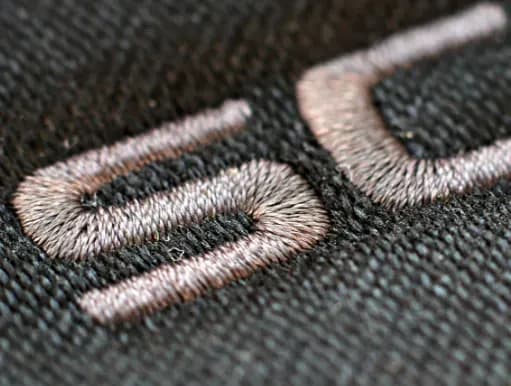
Flat embroidery: This refers to standard embroidery where stitches lie flat on the fabric surface.
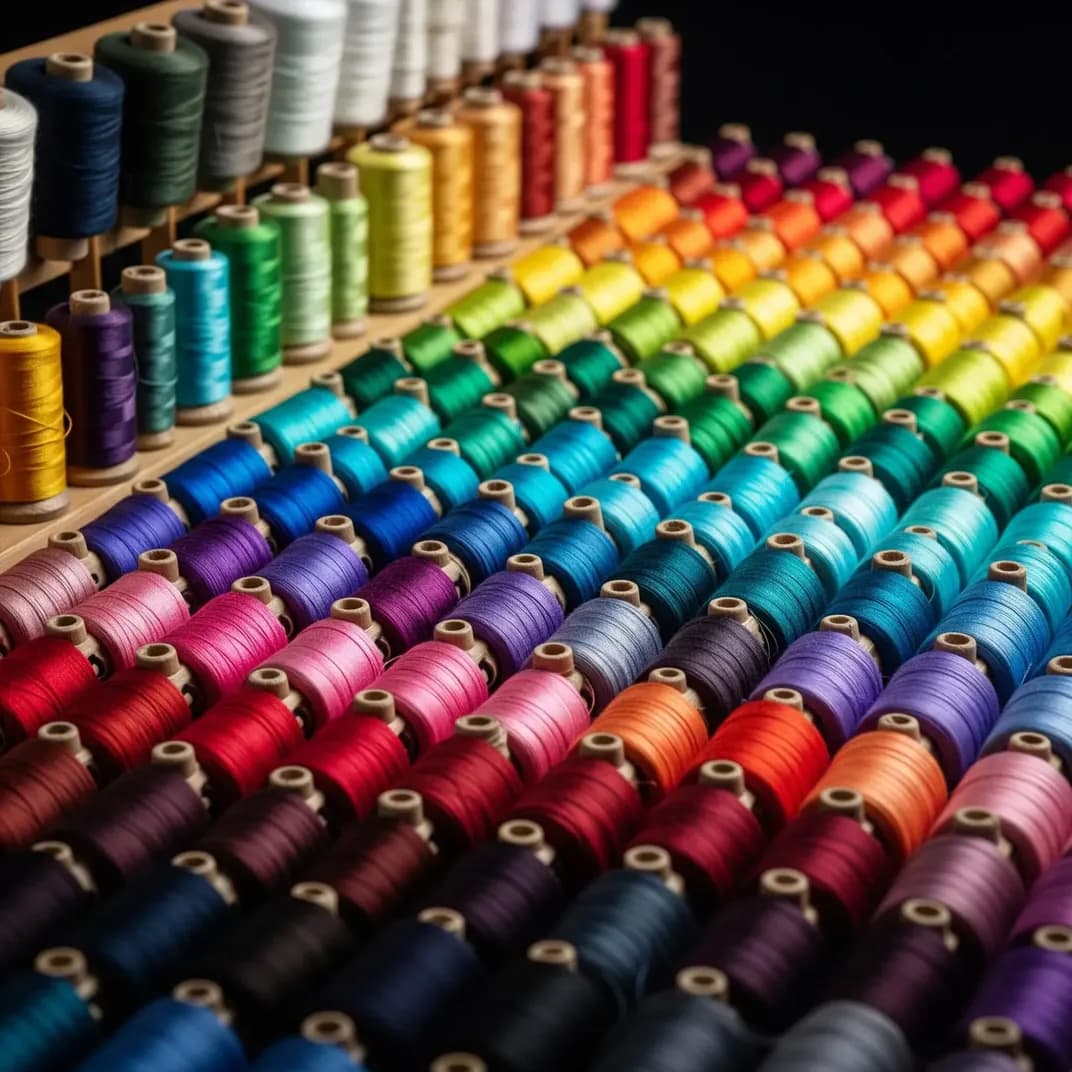
Thread colors: These are the available color options for your design.
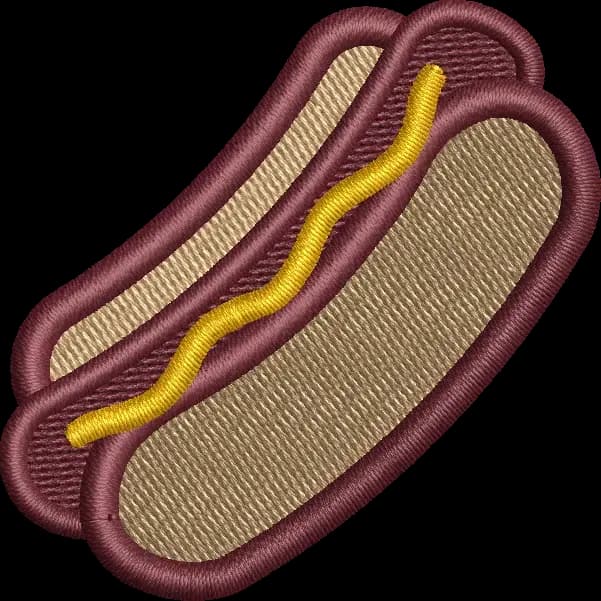
Satin stitch: Long, straight stitches utilized for outlining or defining elements.
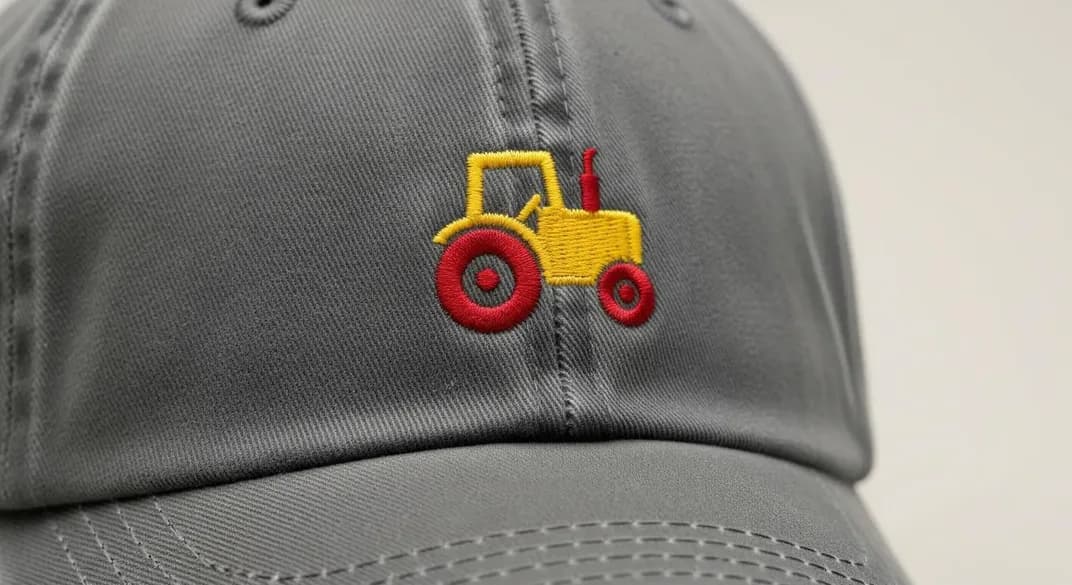
-1776178469811-kgte3-1776272026136-4vng8-1072x616.webp&w=3840&q=75)
Running stitch: A single line stitch, suitable for fine details and intricate lines.
Common Challenges with Standard Embroidery (and Solutions)
Text too small or lines too thin
Extremely small text can result in illegibility, especially when embroidering on thicker surfaces like blankets or hats. We recommend text height of at least 0.25 inches and a thickness of at least 0.05 inches.
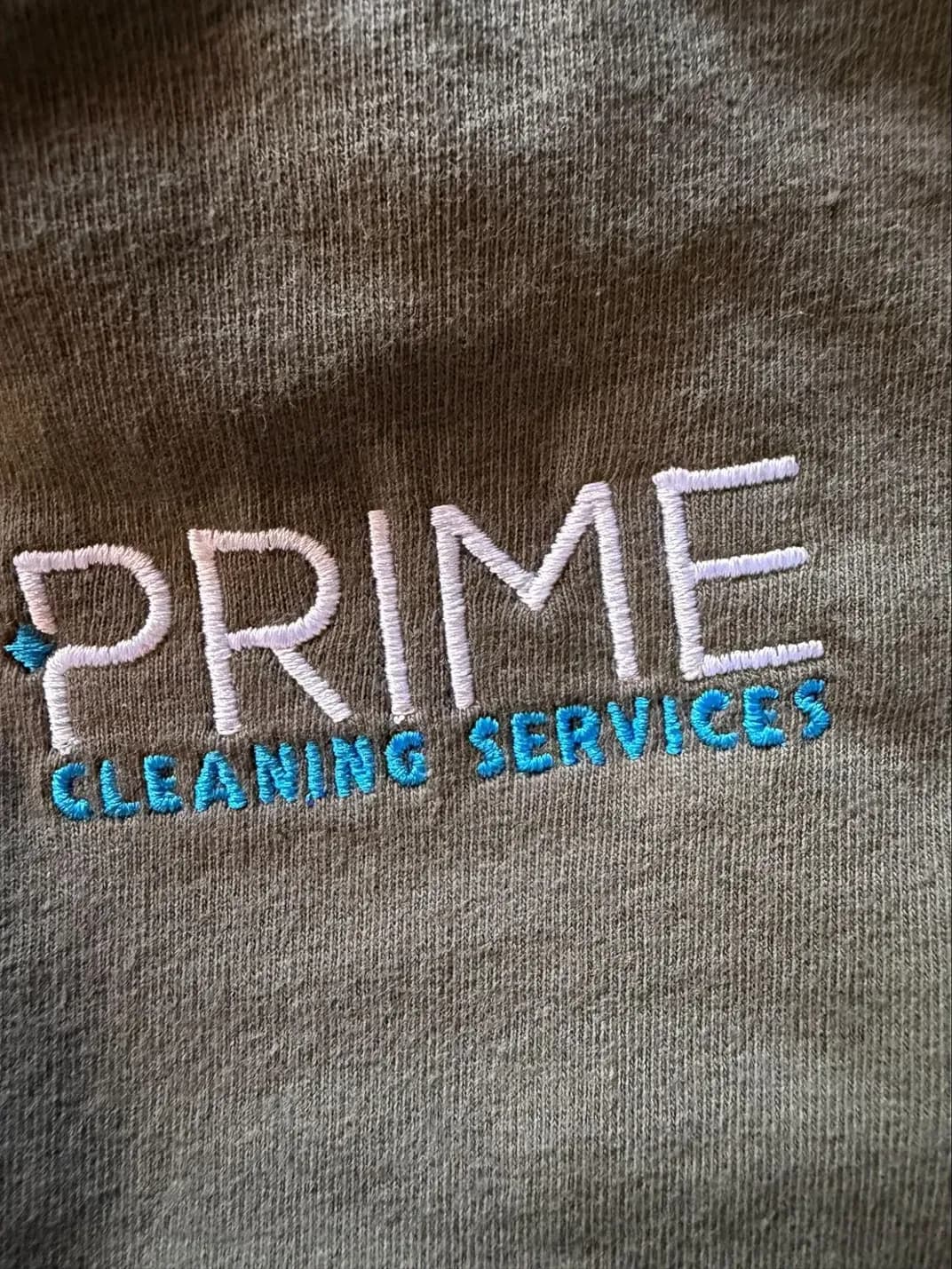
Our artists will adjust any text that is too small to properly embroider. This may involve simplifying, removing, or sizing up. Keep this in mind when setting up your artwork to avoid the need for additional adjustments.
0.25 inches height for text is approximately 36pt. Simple, clear fonts such as Arial, Helvetica, or Myriad Pro are generally recommended for best results.
See HERE for a list of Custom Ink’s favorite fonts for embroidery.
Line weight/thickness
For standard satin stitches, lines should be a minimum of 0.05 inches (3 points) thick. Thinner lines will be converted to a single "run stitch”, or removed if necessary for best embroidery outcomes.
Colors
Thread colors are more limited compared to ink colors, and for pantone matches we will choose the closest stock thread color available to fulfill your order.
Other color limitations: Neon and metallic colors, gradients, and halftones cannot be accomplished via embroidery.
Sizing
When you think of embroidery, you might think of the classic chest pocket design, and that's for a reason—it's the perfect size for embroidery.
Other Design Types that Won't Embroidery Well
- Distressed or textured graphics
- Photographic images
- Images with extreme detail, and designs intended for side embroidery.
We are available to discuss any specific concerns you may have.